
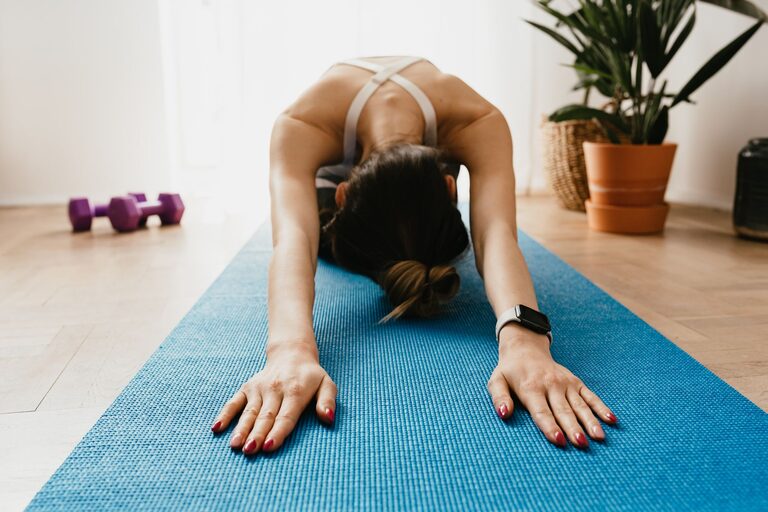

Stretching is a simple yet powerful way to improve your physical health and enhance your overall sense of well-being. Whether you’re new to exercise or looking for a gentle way to stay active, stretching at home can be a perfect addition to your daily routine. This beginner’s guide will walk you through the basics of stretching, explain its benefits, and provide easy-to-follow stretches you can do anytime.
Why Stretching at Home Matters
Stretching helps keep your muscles flexible, strong, and healthy. When you stretch regularly, you improve your range of motion, reduce muscle tension, and lower the risk of injuries. Doing it at home means you can set your own pace, choose comfortable clothing, and stretch whenever it fits your schedule.
Key Benefits of Stretching at Home
– Enhances flexibility and mobility
– Increases blood flow to muscles
– Relieves stress and promotes relaxation
– Reduces muscle soreness and stiffness
– Helps improve posture and balance
Getting Started: Stretching Basics
Before you begin, it’s important to understand some fundamental principles of effective and safe stretching.
Warm Up First
Stretching cold muscles can lead to injury. Take 5 minutes to warm up by walking or marching in place to increase blood flow and prepare your body.
Stretch Gently and Slowly
Move into each stretch slowly until you feel mild tension, not pain. Hold the position steadily without bouncing.
Hold and Breathe
Aim to hold each stretch for 15 to 30 seconds. Focus on deep, steady breathing to help your muscles relax.
Stretch Both Sides Equally
Make sure to stretch both your left and right sides to maintain balanced flexibility.
Frequency
Try to stretch at least 3-4 times a week. Consistency is key for lasting benefits.
Essential Stretches for Beginners
Here are some simple stretches that target major muscle groups. You don’t need any equipment — just wear comfortable clothes and use a yoga mat or soft surface if you like.
1. Neck Stretch
– Sit or stand tall.
– Gently tilt your head toward your right shoulder until you feel a stretch along the left side of your neck.
– Hold for 20 seconds, then switch sides.
2. Shoulder Rolls
– Stand or sit with your back straight.
– Roll your shoulders forward in a circular motion 10 times.
– Then roll them backward 10 times.
3. Chest Opener
– Stand with your feet shoulder-width apart.
– Clasp your hands behind your back.
– Straighten your arms and lift your chest, squeezing your shoulder blades together.
– Hold for 20-30 seconds.
4. Seated Forward Bend
– Sit on the floor with your legs extended straight in front of you.
– Slowly reach forward toward your toes, keeping your back as straight as possible.
– Hold for 20-30 seconds.
– If you can’t reach your toes, reach as far as is comfortable.
5. Cat-Cow Stretch (for the back)
– Start on your hands and knees.
– Inhale, arch your back downward (cow), lifting your head and tailbone.
– Exhale, round your back upward (cat), tucking your chin and tailbone.
– Repeat 8-10 times, moving smoothly with your breath.
6. Hip Flexor Stretch
– Kneel on your right knee with your left foot in front, forming a 90-degree angle with both legs.
– Shift your weight forward slightly to feel a stretch in your right hip.
– Hold for 20-30 seconds, then switch sides.
7. Standing Quadriceps Stretch
– Stand tall and hold on to a chair or wall for balance.
– Bend your right knee and bring your heel toward your buttocks.
– Grab your ankle with your right hand and gently pull.
– Hold for 20-30 seconds, then switch sides.
8. Calf Stretch
– Stand facing a wall, about an arm’s length away.
– Place your hands on the wall at shoulder height.
– Step your right foot back, keeping it flat on the floor.
– Bend your left knee and lean into the wall to feel a stretch in your right calf.
– Hold for 20-30 seconds, then switch sides.
Tips for Making Stretching a Habit
– Set a routine: Stretch at the same time each day to build consistency.
– Create a relaxing space: Choose a quiet, comfortable spot free from distractions.
– Use reminders: Set phone alarms or notes to prompt you to stretch.
– Combine with other activities: Stretch after exercise, work, or before bed to wind down.
When to Be Careful
If you have any health conditions, injuries, or chronic pain, it’s a good idea to check with a healthcare professional before starting a new stretching routine. Stop any stretch that causes sharp pain or discomfort.
Conclusion
Stretching at home is an accessible and effective way to improve your flexibility, relieve tension, and support your physical health. With a little time and practice, you can enjoy the many benefits stretching offers — all from the comfort of your own space. Remember to be gentle with your body, stay consistent, and listen to how you feel.
Start your stretching journey today and embrace a healthier, more relaxed you!