
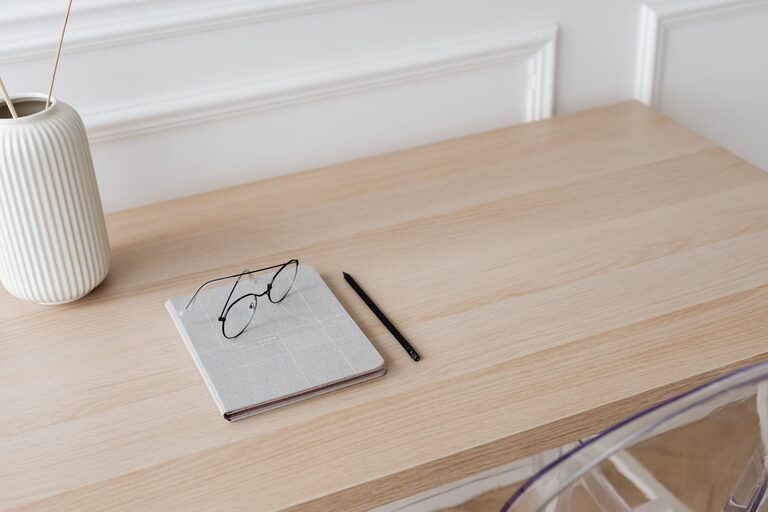

Creating a relaxing home workspace is essential for maintaining focus, reducing stress, and boosting productivity—especially when working remotely. Your environment plays a big role in how you feel and perform each day. Fortunately, with a few thoughtful changes, you can transform any corner of your home into a calming and efficient workspace.
In this guide, we’ll explore practical steps to design a home office setup that promotes relaxation and productivity.
Why a Relaxing Workspace Matters
A workspace that feels cluttered or uncomfortable can increase stress and make it harder to concentrate. On the other hand, a calm and organized environment helps clear your mind and improves creativity and efficiency.
By intentionally creating a space that supports relaxation, you can enjoy:
– Better focus during work hours
– Reduced feelings of burnout
– A more positive attitude toward your tasks
– Improved overall well-being
Choosing the Right Location
The first step is selecting a spot that aligns with your needs.
Consider Natural Light
Natural light has a soothing effect and boosts energy levels. Choose a space near a window if possible. Make sure to position your desk so that glare doesn’t hit your computer screen.
Minimize Noise and Distractions
Look for a quiet area, away from household traffic and noise. If total silence isn’t possible, consider noise-canceling headphones or a white noise machine.
Prioritize Comfort and Privacy
A space where you feel comfortable and can focus privately helps create boundaries between work and home life.
Organizing Your Desk and Supplies
Keeping your workspace tidy directly affects how relaxed you feel.
Declutter Regularly
Remove unnecessary items from your desk to avoid distractions.
Use Storage Solutions
Incorporate drawers, shelves, or desk organizers to keep supplies neatly stored but easily accessible.
Personalize with Purpose
Add meaningful items like a small plant or a favorite photo to make your space inviting without overcrowding it.
Choosing Comfortable and Functional Furniture
Furniture can make a big difference in comfort.
Invest in an Ergonomic Chair
A supportive chair helps prevent back pain, which reduces stress during long work hours.
Select the Right Desk
Choose a desk height and size that suit your work style. Adjustable desks can help you alternate between sitting and standing.
Adding Calming Elements
Incorporate features that promote relaxation.
Bring in Nature
Plants improve air quality and add tranquility. Choose low-maintenance options like succulents or snake plants.
Use Calming Colors
Colors like soft blues, greens, or neutrals create a peaceful atmosphere.
Control Lighting
In addition to natural light, add adjustable desk lamps with warm tones to prevent eye strain.
Establishing a Routine Around Your Workspace
Your environment is only part of the equation. Developing a daily routine can enhance relaxation.
Set Clear Work Hours
Define when you start and end work to maintain balance.
Take Breaks
Regular pauses prevent fatigue. Use break time to stretch or take a brief walk.
Keep Your Workspace Separate
If possible, reserve your work area solely for work—even if it’s a small desk in a shared room.
Tips for Maintaining Your Relaxing Workspace
– Clean your workspace at the end of each day
– Rotate decorative items periodically for a fresh look
– Use calming scents like lavender or eucalyptus, if you enjoy aromatherapy
– Limit screen time outside of work hours to reduce digital fatigue
—
By thoughtfully designing your home workspace, you can create an environment that supports both relaxation and productivity. Whether you have a dedicated room or a small nook, the right setup can make your work-from-home experience more comfortable and fulfilling. Start with small changes today and enjoy the benefits of a peaceful workspace for years to come.